Let's start with what's actually happening
If you're burnt out, your nervous system isn't broken. It's protecting you. Chronic stress triggers your parasympathetic nervous system to basically go offline, which means arousal becomes nearly impossible. Your brain is too busy scanning for threats to allow pleasure. That's not a character flaw. That's biology.
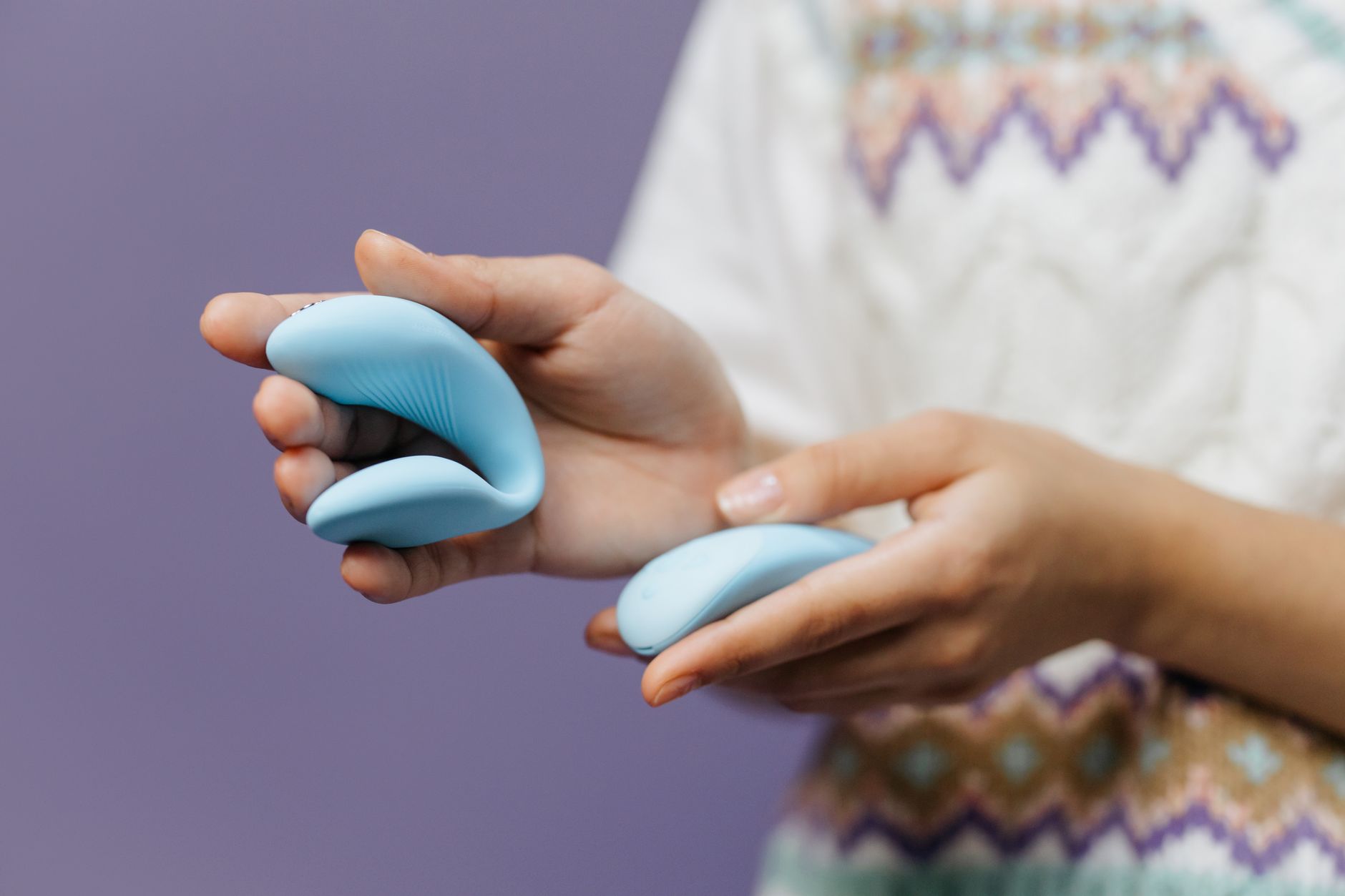
Here's the part nobody tells you: you don't need to "fix" your nervous system before you can access pleasure again. You can use pleasure to rewire your nervous system. A lemon vibrator, specifically, can become a tool for that rewiring because it delivers consistent, predictable sensation that your nervous system learns to trust.
Why nervous system dysregulation kills arousal
When you're chronically stressed, your vagus nerve stays activated in a state of high alert. This is useful if you're actually running from a tiger. It's devastating if you're trying to relax enough to feel good. Cortisol (the stress hormone) essentially competes with the neurochemicals that create arousal.
Meanwhile, your pelvic floor tightens. Your skin becomes less sensitive. Your ability to reach orgasm requires parasympathetic activation, which means your nervous system needs to believe it's safe. If it doesn't believe that, nothing else matters.
The good news: sensation work with a tool like a lemon vibrator can retrain this response. Repeated, gentle, predictable stimulation teaches your nervous system that this particular sensation is safe and rewarding. Over weeks, your body starts to anticipate that reward instead of anticipating threat.
Start with microdoses, not marathons
If your nervous system is overwhelmed, a 45-minute session will backfire. Your brain will interpret sustained stimulation as another demand, another thing you should be doing. Instead, think microdoses.
Use a lemon vibrator for 3-5 minutes, at the lowest setting. That's it. Stop before you feel tired. The goal isn't orgasm right now. The goal is to teach your nervous system that this sensation = safety and reward.
Do this same thing every other day for two weeks without expecting any particular outcome. You're building a routine, not chasing a result. Consistency matters more than intensity when the nervous system is depleted.
Timing is everything
Don't touch a lemon vibrator right after work or during your high-stress hours. That's when your nervous system is flooded with cortisol and adrenaline. Instead, pick a time when you're already winding down. Post-bath. After dinner. Early evening.
If mornings feel calmer for you than evenings, use mornings. The point is to pair the vibrator with a moment when your nervous system is already moving toward relaxation. You're not fighting against your stress state. You're amplifying the relaxation that's already starting.
Avoid using it when you're about to do something else stressful. Your brain will link the vibrator to the upcoming pressure instead of to safety.
Pair it with nervous system downregulation techniques
A lemon vibrator works best when combined with something that actively calms your nervous system. That could be.
Deep breathing (box breathing: 4-4-4-4) during use activates your parasympathetic response and makes the sensation feel less intense and more integrated. Progressive muscle relaxation beforehand (tensing and releasing each body part) teaches your nervous system the difference between tension and release. Some people find humming or vocal toning helpful. Others prefer silence and touch.
The point: don't just switch on the lemon clitoral vibrator and hope for the best. Combine it with a tool your nervous system already recognizes as calming.
Watch for hypervigilance during pleasure
Here's what often happens when you're burnt out and trying to reclaim pleasure: your brain starts scanning during sensation. "Am I doing this right? Should I feel more? Is something wrong?" That hypervigilant attention is your nervous system staying on guard even while you're trying to relax.
If you notice this, pause the lemon vibrator. Take 30 seconds and do a grounding exercise. Feel your feet on the floor. Name three things you can see. Then resume. You're teaching your nervous system that it can literally step out of surveillance mode and come back.
This is slower than pushing through. It's also about 100 times more effective for rebuilding trust in your body.
The role of lube and touch
When you're overwhelmed, your body often stops producing natural lubrication even if arousal is mentally happening. This isn't failure. This is your nervous system rationing resources.
Use a water-based lube generously. Not because you're broken, but because friction against already-sensitive tissue can feel aggressive to an overprotective nervous system. Slick sensation feels safer than dragging sensation.
Also: touch yourself with your hands while using the lemon vibrator. One hand on your heart or belly, one hand holding the device. That dual sensation of your own touch plus the vibrator teaches your nervous system that this moment involves care and safety, not just stimulation.
When to expect shifts
Two to three weeks in, you might notice that the anticipation of using the lemon vibrator starts to feel calming instead of like another obligation. That's your nervous system learning the pattern.
Orgasm might take longer. It might feel different than it did before burnout. That's normal. Your nervous system is rebuilding arousal pathways from the ground up.
After four to six weeks of consistent microdose sessions, many people notice that pleasure starts to feel less like something they have to chase and more like something their body remembers it wants.
What this rewiring actually looks like
You'll know your nervous system is recalibrating when small things shift. You feel less irritated by your partner touching you. You can stay present during sex instead of dissociating. You notice moments of genuine relaxation outside the bedroom. You stop feeling guilty about taking time for pleasure because you recognize it as the nervous system medicine it actually is.
A lemon vibrator isn't a fix for chronic stress. But it can be part of the toolkit that helps your nervous system remember that safety and pleasure coexist. That's worth the time investment.
People also ask
Can you use a lemon vibrator while you're still very burnt out, or should you wait until you're less stressed?
Use it now. You don't need to be "recovered enough" to benefit. In fact, starting the microdose practice while you're still in the burnout is when it's most useful because your nervous system needs the most retraining. Just keep it gentle and consistent.
How often should you use a lemon vibrator if your nervous system is overwhelmed?
Every other day, 3-5 minutes, lowest setting. More frequency isn't better. Your nervous system needs time between sessions to process the safety signal. If you're using it multiple days in a row and starting to dread it, that's a sign to pull back.
Does the lemon clitoral vibrator work better than other toys for nervous system recovery?
Clitoral vibrators like the lemon sucker create a broad, encompassing sensation that many people with dysregulated nervous systems find less triggering than penetrative stimulation. The suction pattern is rhythmic and predictable, which helps with nervous system safety. That said, the right tool is whatever doesn't feel aggressive to your body right now.
What if using a lemon vibrator still feels stressful even after a few weeks?
That's important feedback. Your nervous system might need other recovery tools first. Consider working with a trauma-informed therapist or somatic practitioner alongside pleasure exploration. Sometimes the nervous system needs talk therapy or body work before it's ready for sensation play.
Can you combine using a lemon vibrator with medication like antidepressants while recovering from burnout?
Yes, and many people do. If your medication is affecting arousal, the microdose approach might help rebuild sensitivity over time. Talk to your prescriber about whether the medication dose or type might be adjusted, but don't stop using the vibrator while you figure that out.
Is it normal for orgasms to feel different or harder to reach when your nervous system is overwhelmed?
Completely normal. Your nervous system is literally using resources elsewhere. The goal during recovery isn't orgasm. It's presence and the pleasure of sensation itself. Orgasm often comes back naturally once the nervous system feels safer, but it might look different than before.
Start small. Stay consistent. Let your nervous system learn at its own pace that pleasure is worth the metabolic investment again. That's how you use a lemon vibrator to rewire what stress has temporarily broken.