Let's name what happened
You used to touch yourself. Then you didn't. Maybe there were good reasons. Kids waking up. A partner who made you feel weird about it. Depression that flattened everything, including desire. Burnout that left you with zero energy for anything that wasn't mandatory. Or just life compressing your sense of yourself into smaller and smaller spaces until you forgot you were allowed to want things for yourself.
Now you're thinking about it again. And you're nervous. Your body feels like a stranger's. You don't know if you remember how. You're worried it won't feel good, or that you've "lost it," or that starting again means admitting something about yourself you've been avoiding.
Here's what I know from working with people through exactly this: restarting solo play is not a failure. It's a choice. And choosing yourself matters.
Why lemon vibrators are different for this moment
When you've been away from your own pleasure for years, your nervous system needs different things than it did before. Your body might be more sensitive to pressure. Your brain might be louder with self-criticism. Your sense of what feels good might have genuinely shifted.
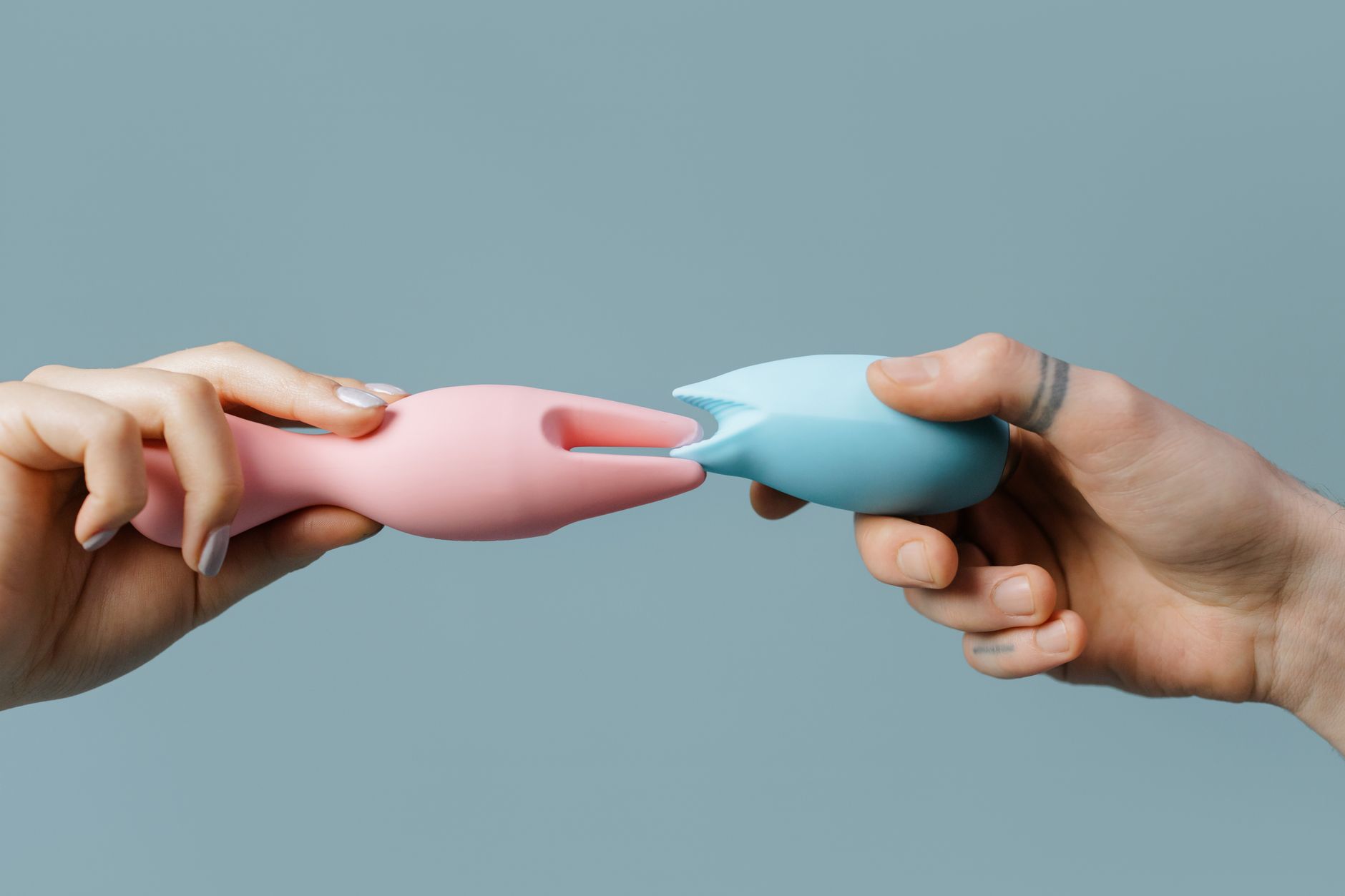
Lemon clitoral vibrators, particularly air-suction toys like the Lem, are gentler starting points than traditional vibrators for people rebuilding solo play. Here's why: suction stimulates without the same mechanical pressure as vibration. It mimics the sensation of oral sex, which many people find easier to relax into than direct friction. The toy does most of the work for you, so you don't have to learn a new technique or figure out the "right" angle. You just hold it there and let it work.
This matters because when you're nervous, your pelvic floor tightens. When your pelvic floor is tight, orgasm becomes harder. A toy that works with gentle stimulation rather than against your tension is a real advantage.
The lemon sucker design also creates a sense of permission and playfulness that's different from the clinical feeling of a traditional vibrator. Naming your toy. Having something that fits in your hand. These small things rewire your relationship with solo play from "a thing I should do" to "a thing I actually want."
The four-week restart plan
Week 1: Exploration without expectation.
Take the Lem (or another lemon clitoral vibrator you choose). Don't use it yet. Spend a few days just holding it, looking at it, running your fingers over it. This sounds small, but it matters. You're signaling to your nervous system that this is safe, that you chose it, that there's no emergency here.
Then, choose a time when you have at least 20 minutes alone and zero pressure. Not right before bed when you're exhausted. Not during a work break. A real window. Take the toy to bed or a comfortable chair. Use a water-based lube (even if you think you don't need it, you probably do after a long break). Turn on pattern 1 or 2. Don't try to come. Just feel what happens. Your job this week is sensation, not outcome.
Many people report that the first session feels strange or uncomfortable. That's normal. Your body is remembering what pleasure feels like, and memory takes time.
Week 2: Same ritual, lower the stakes further.
Repeat what you did in week one, but this time, pay attention to what feels okay and what doesn't. If pattern 3 feels too intense, stay on pattern 1. If you'd rather have the vibrator just sit there without suction, turn it off and use it as a vibrator instead. You're the only person who gets to decide what your body needs.
If you feel guilt or self-judgment creeping in ("I should be coming by now," "This is stupid," "I'm taking too long"), pause. Say it out loud. "I'm nervous." "I feel guilty." "I'm scared this won't work." Then keep going. Emotions are information, not instructions.
Most people report that by week two, something shifts. Not necessarily an orgasm. Just a softening. A sense that this is allowed.
Week 3: Pattern play and micro-adjustments.
Now you know what patterns feel good. Spend some time moving between them. Linger on one for 90 seconds, then switch. This teaches your body that sensation can change, that you're in control, that there are lots of ways to feel good.
If you haven't come yet, today is not the day you need to. But if you're close, try this: stay at the intensity that feels good, breathe normally (don't hold your breath), and let your pelvic floor relax between breaths. Imagine the sensation spreading upward instead of concentrating at one point.
Many people who've been away from solo play for years have forgotten that coming is supposed to feel easy. It shouldn't be a goal you're chasing. It should be something that arrives when your body decides it's ready.
Week 4: Anchor your ritual.
By now, you have a sense of what works. Create a simple ritual around it. Maybe it's lighting a candle. Maybe it's a specific playlist. Maybe it's just closing the door and giving yourself permission for 20 minutes with no phone. The ritual tells your nervous system: this is time for you. This matters. You matter.
Use your lemon vibrator 1-3 times per week, depending on what feels good. There's no requirement here. Solo play isn't medicine. It's a choice. But if you're restarting, consistency for these first four weeks helps your body remember what it's capable of.
The mental game (this is actually the harder part)
Your nervous system learned to not want things. It learned that your pleasure was less important than everyone else's needs. It learned to be small. Restarting solo play means unlearning that, and your brain will fight you on it.
You might feel weird. You might feel selfish. You might feel like you're betraying your partner (you're not), or like you're admitting something shameful about yourself (you're not). These feelings are just your nervous system trying to keep you safe the way it always has.
Here's what helps: name what you're feeling, but don't let it stop you. "I feel selfish. And I'm doing this anyway." "I feel weird about my body. And I'm touching it anyway." You don't have to feel good about solo play to do it. You just have to decide it matters enough to try.
If you're rebuilding after relationship trauma or stress and burnout, your body might need even more permission and gentleness. That's not weakness. That's you listening to what you actually need.
What to expect (and what not to)
Your first orgasm after a long break might feel less intense than you remember. That doesn't mean it's wrong. Your body has changed. Your nervous system has changed. Your expectations have probably changed too. That's all okay. The goal isn't to recreate what you had before. It's to discover what you have now.
Some people come quickly once they restart. Others take weeks or months. Both are completely normal. If orgasm isn't happening after four weeks and you want it to, that's a conversation for a therapist or a doctor, not something you should punish yourself over.
You might also notice that your body wants different things than it used to. Maybe you prefer gentler stimulation now. Maybe you like longer warm-up time. Maybe you've discovered you actually like something you used to think was weird. All of that is information about who you are now, not who you were.
A lemon clitoral vibrator like the Lem isn't magic, but it removes some of the friction from restarting. You don't have to figure out technique. You don't have to wonder if you're doing it right. You just have to show up and let yourself feel what happens.
FAQ: Starting Solo Play Again
Should I feel guilty about solo play if I'm in a relationship?
No. Solo play and partnered sex are completely different experiences. One doesn't replace the other. They feed different parts of you. Knowing your own body, understanding your own desires, having a relationship with your own pleasure makes you a better partner, not a worse one. If your partner has made you feel ashamed of solo play, that's a conversation worth having. Your pleasure is not disloyal.
What if I've been away for 10+ years and I don't know if I remember how?
Your body remembers before your brain does. That first session might feel awkward or uncomfortable. That's not a sign you've lost the ability. That's your nervous system adjusting. Give it time. Most people report that the muscle memory comes back within 2-4 weeks of consistent gentle exploration.
Is it normal to feel emotional during solo play when restarting?
Very normal. You might feel grief (for the time you didn't let yourself have pleasure), anger (at whoever made you feel ashamed), or joy (that you're choosing yourself). You might cry. These are all signs that your body is releasing something it's been holding onto. Crying during solo play isn't a sign you should stop. It's a sign that something real is happening.
How do I know what intensity to start with on a lemon vibrator?
Always start at pattern 1. This is not about toughness. This is about your nervous system's capacity to process sensation. If pattern 1 feels too strong, turn the toy off and use it as a silent vibrator (or as a hand massager without the suction). You can always turn it up later. You can't un-feel overstimulation.
What if my partner is upset about me restarting solo play?
That's a boundary conversation you might need to have. Solo play is your right, regardless of your relationship status. If your partner is threatened by it, the issue isn't your pleasure. The issue is his or her insecurity. That's theirs to work through, ideally with a therapist. Your job is to take care of yourself.
How long does it usually take to have an orgasm again?
That's like asking how long it takes to remember a dream. Everyone's timeline is different. Some people come in session one. Some take weeks. The pressure to come fast often keeps you from coming at all. If you're focusing on sensation instead of outcome, your nervous system will relax enough for orgasm to happen naturally. That usually takes 2-4 weeks of regular exploration.
You're allowed to want this
Restarting solo play after years away isn't about fixing yourself or proving anything. It's about recognizing that your pleasure matters. That your body is still yours. That you deserve to feel good on purpose, not by accident.
Your nervous system learned to shrink. Restarting solo play is how you teach it to expand again. It's slow. It's unglamorous. It's not a big revelation. It's just you, alone, choosing yourself.
That's actually the whole thing.
If you want to talk through this further, we're here to help. Get in touch with our team at Hellanancy Lemons.
Sources
Gottman, J. M. (2011). The Science of Trust. W.W. Norton & Company.
Brotto, L. A., & Perel, E. (2019). Come As You Are: The Surprising New Science That Will Transform Your Sex Life. W.W. Norton & Company.
Nagoski, E. (2015). Come As You Are: The Surprising New Science That Will Transform Your Sex Life. W.W. Norton & Company.