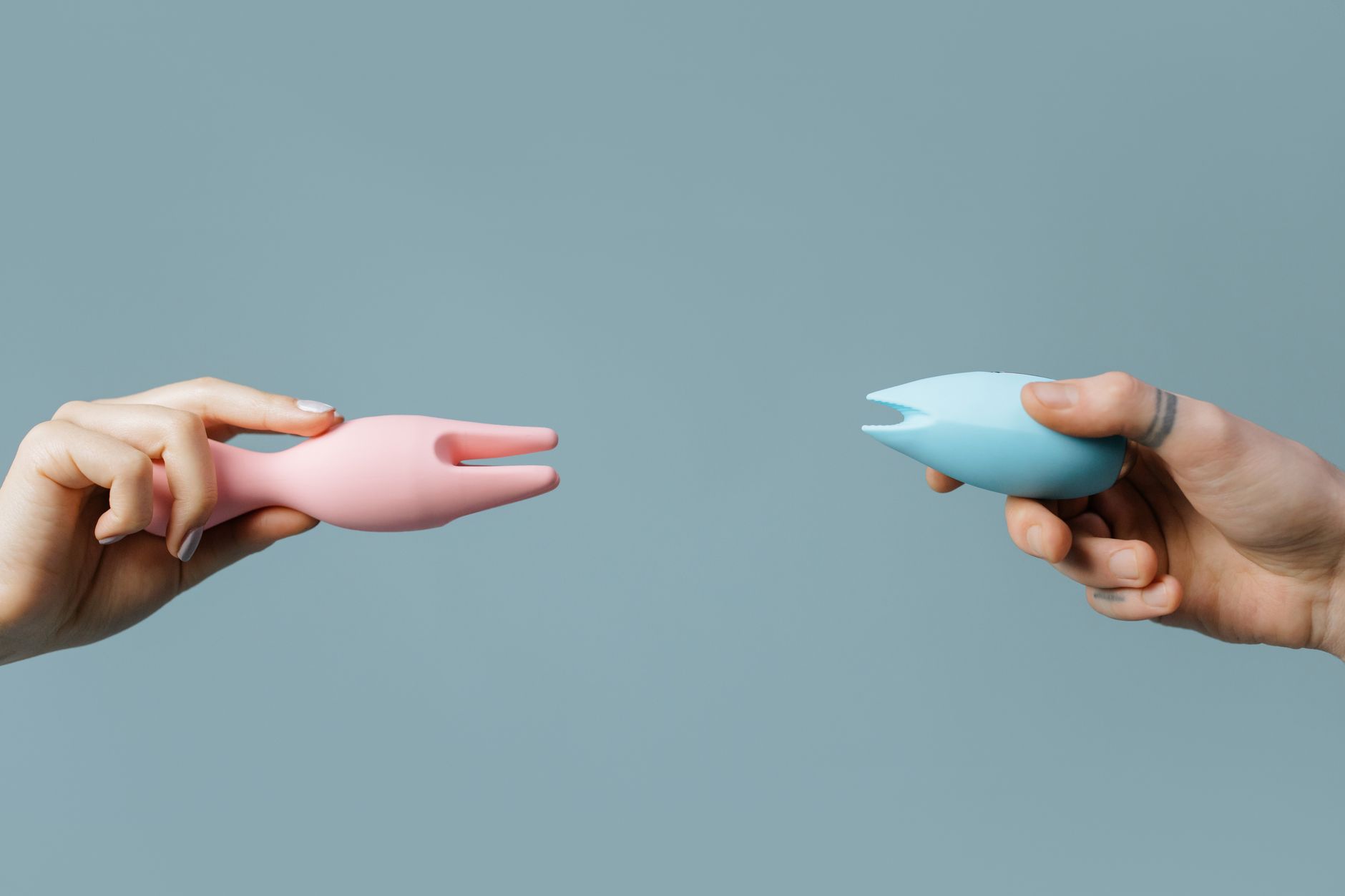
How to Use a Lemon Vibrator When Reintroducing Pleasure After Hormonal Changes
Let's be real. When your hormones shift, the first thing people tell you is that sex changes. The second thing is usually nothing. Which is why you're here.
Hormonal transitions hit differently than a simple "you're older now." Whether it's coming off birth control, adjusting to new medication, entering perimenopause, or recovering from a health event that changed your hormonal baseline, the sensation you knew is gone. The timeline is unfamiliar. Your body doesn't respond the same way it used to, and that's not a failing. It's information.
The good news? A lemon vibrator, specifically one designed with suction rather than just vibration, is one of the smartest tools for navigating this phase. Here's how to use it thoughtfully.
Why lemon suction vibrators work better during hormonal transitions
When hormones change, what actually shifts is tissue sensitivity, arousal speed, and lubrication production. Tissue can become thinner or more reactive to direct pressure. The clitoral nerves themselves don't change, but the tissue surrounding them does. This is where air-suction design matters.
Traditional vibrators rely on direct mechanical pressure. A lemon clitoral vibrator like the Lem uses gentle suction and pulsing patterns that stimulate nerve endings without requiring the same intensity of friction. This design is less dependent on tissue thickness, which makes it ideal when your body is recalibrating.
The suction sensation also tends to feel less "shocking" to a nervous system in transition. Many people report that when they've been away from pleasure for months, or when their body is adjusting chemically, a direct vibration can feel almost aggressive. Suction builds sensation gradually. That matters.
Start with pattern recognition, not intensity
Here's what I tell my clients who are rebuilding. Your lemon vibrator has multiple patterns. Most people start at the highest intensity and assume that's the baseline. It's not.
Instead, begin with pattern one at the lowest setting. Yes, lowest. Spend three to five sessions just learning what each pattern feels like. This isn't about chasing orgasm. It's about your nervous system remembering that pleasure exists, that your body can feel it, and that the sensation is safe.
Pattern exploration also gives you data. You might discover that a mid-range pattern at low intensity feels better than high intensity at any pattern. You might find that three patterns work and two don't. This is normal and specific to your current body. Your preferences will probably shift again in a few months as your hormones stabilize.
Timing matters more than you think
When your body is transitioning hormonally, arousal doesn't work on a simple on-off switch anymore. It's more like a dimmer that needs time to adjust.
If you're rebuilding solo, give yourself 15 to 25 minutes before you even turn on your lemon vibrator. Read something that appeals to you. Touch your own body. Let blood flow to the area. Your nervous system needs permission to wake up.
If you're with a partner, this is the perfect moment to slow down foreplay. The people I work with often say that slower, longer warm-up time becomes one of the unexpected gifts of hormonal transition. It forces presence. It creates connection. And it makes the lemon vibrator work better when you finally use it.
Lubrication is your co-pilot
This is not optional. During hormonal transitions, your body might not produce enough natural lubrication, even when you're aroused. A water-based lube isn't a sign of something wrong. It's a tool.
Apply it to the external clitoris and to the opening of your lemon vibrator before use. Reapply between sessions if you're going for longer exploration. This isn't indulgence. It's hygiene and comfort.
One note: if you're using a silicone-based toy, stick with water-based lube only. Silicone lube can degrade silicone material over time. Most lemon vibrators are silicone, so keep that pairing in mind.
The three-week principle
Your nervous system doesn't rebuild pleasure in a week. It takes about three weeks of consistent, pressure-free exploration for your body to trust that sensation is coming back.
In my practice, I've seen people get frustrated after two sessions because they're comparing their current response to their pre-transition baseline. That's like comparing a new relationship to a 15-year marriage. They're different things.
Week one with your lemon vibrator is about noticing. Week two is about preference. Week three is when many people report that their arousal response speeds up, that sensation feels sharper, and that they can actually reach orgasm again. Not everyone follows this timeline perfectly. Some people need four weeks. Some feel different by day 10. The point is that consistency matters more than intensity.
What to do if sensation still feels muted
If you're three weeks in and pleasure still feels like it's happening behind glass, that's not a failure. It's a sign that your body needs more support.
First, check the basics. Are you getting enough sleep? Is your stress level reasonable? Are you hydrated? Hormonal transitions amplify the effects of general neglect. You can't suction your way through burnout.
Second, consider talking to a healthcare provider. Some hormonal changes benefit from topical treatments, supplements, or reassurance from someone who knows your medical history. If you're on new medication, that could be affecting sensation too. A conversation with your doctor isn't admitting defeat. It's gathering information.
Third, try bringing a partner in if you're comfortable. Sometimes shared attention and lower pressure make sensation more accessible. Read about how to use a lemon vibrator with a partner who initiates differently if this applies to you.
Pleasure after hormonal change looks different. That's okay.
One more thing I want to name. Some people find that their orgasms change shape. They might be less intense, more focused, longer, shorter, or spread across a different area of the body. This is completely normal. Your nervous system is recalibrating.
Many of my clients eventually report that while their orgasms changed, they became more satisfying because they had to be more intentional about them. There's a focus that comes with slower rebuilding. A presence that sometimes wasn't there before.
You're not returning to your old pleasure. You're building new pleasure. Your lemon vibrator can help guide that process if you let it work slowly.
FAQ: Lemon vibrators and hormonal transitions
How long does it take to feel sensation return after a major hormonal change?
Three to six weeks for most people, though some notice shifts within days and others need two to three months. It depends on the type of hormonal change, whether you're on new medication, your stress level, and your baseline nervous system sensitivity. Consistency matters more than speed.
Can I use my lemon vibrator if I'm on hormonal birth control?
Absolutely. Some people find that active birth control actually makes suction vibrators like the Lem more responsive because hormonal stability creates more predictable arousal patterns. If you're transitioning off birth control, that's different. Read about why lemon vibrators work better when you're taking hormonal birth control for more context.
What if my partner's expectations don't match my new timeline?
Then you have a conversation that has nothing to do with the vibrator. Be direct: "My body is recalibrating. I need more time before pleasure feels available. That's not about you." If they can't honor that, the problem isn't your lemon clitoral vibrator or your hormones. It's incompatible expectations. Consider talking to a couples therapist if this becomes a sticking point.
Can hormonal changes affect orgasm permanently?
No, but they can change how orgasm feels or the conditions needed to reach it. Most people eventually find new patterns that work. Some find their new patterns are actually better.
Should I use my lemon vibrator every day while rebuilding?
Not necessarily. Three to five times a week is usually enough to give your body consistent signaling without creating pressure or fatigue. If daily feels good, do that. If twice a week feels less stressful, that's fine too. The goal is consistency, not frequency.
What if I don't feel pleasure at all, even with a lemon vibrator?
That's anhedonia or numbed sensation, and it can be hormonal, medication-related, stress-related, or psychological. It's worth checking in with both a healthcare provider and a therapist. A vibrator is a tool for sensation, not a cure for numbed pleasure. Sometimes you need support beyond the toy.
Hormonal transitions are temporary. Your pleasure is not. Give your body time, meet it with patience instead of pressure, and let your lemon vibrator help you remember what sensation feels like. If you're navigating this transition with a partner, explore how to rebuild pleasure when you're recovering from relationship trauma for more grounded, step-by-step guidance.
You're not broken. You're in a transition. And transitions, when approached with honesty, often lead somewhere better than where you started.