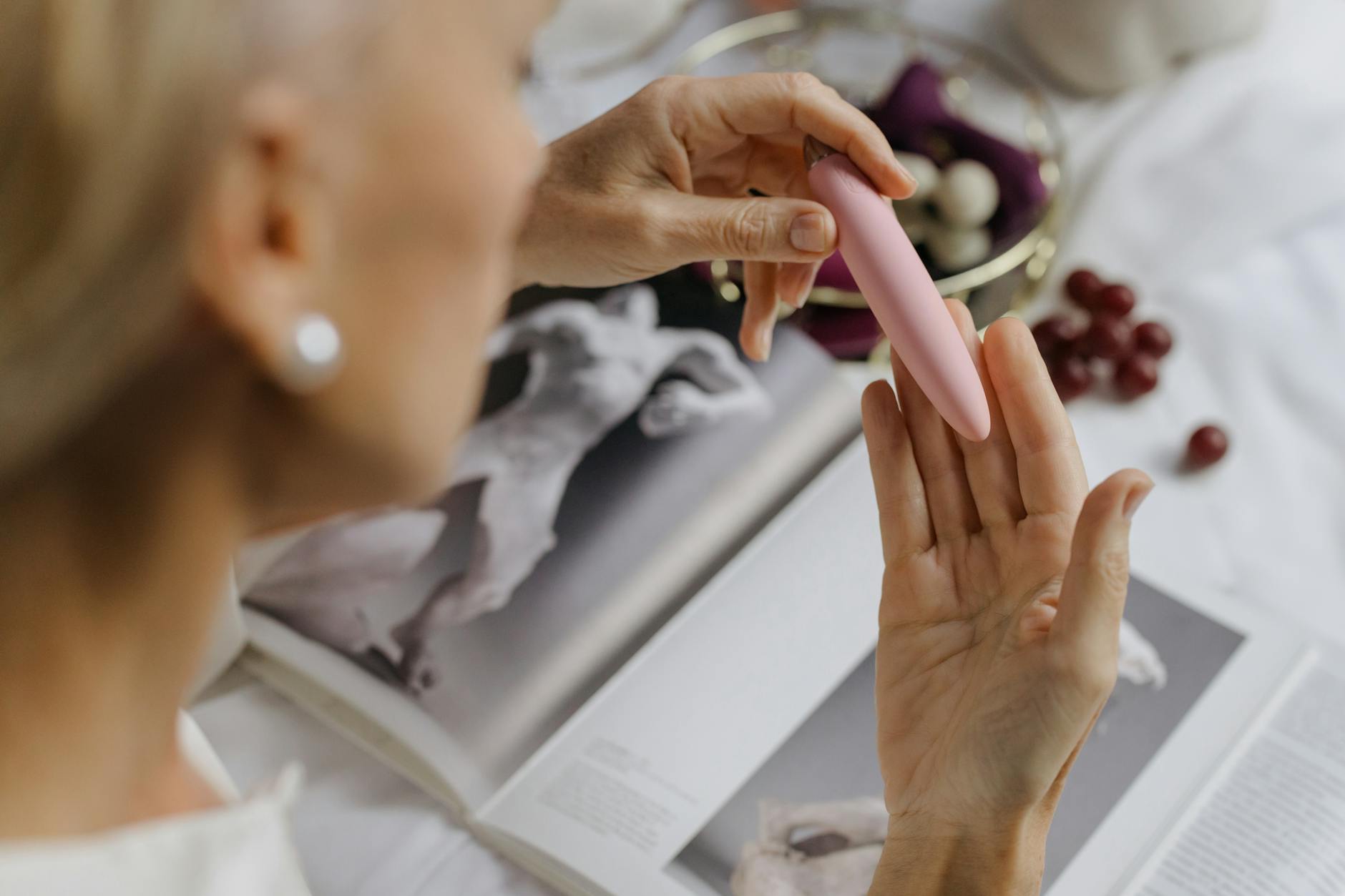
Let's be real about postpartum pleasure
Bringing a new human into the world rewires your nervous system. Between the hormone crash, the constant physical contact from a baby, the sleep deprivation, and the sheer weight of being needed twenty-four hours a day, pleasure often feels like a luxury you can't afford. And then there's the guilt for even thinking about it.
Here's what I want you to know: reclaiming your sexuality after birth isn't selfish. It's survival. It's part of rebuilding your sense of self when everything feels borrowed by someone else. A lemon clitoral vibrator can be part of that reclamation.
The postpartum body and touch fatigue
Touch fatigue is real, and it's often invisible to people who haven't experienced it. When you spend eight to twelve hours a day with a baby attached to your chest, your skin, your body, your physical boundary, the last thing you want is another person touching you. Sometimes the last thing you want is yourself touching you.
This isn't low desire. It's sensory overload wearing a desire costume.
What changes with a lemon vibrator is the control. You're not managing someone else's needs in the moment. You're not soothing, feeding, or carrying. The Lem's suction technology means you can engage intensity at your own pace without friction-based pressure on already tender tissue. It's efficient pleasure, and postpartum, efficiency matters.
Physical changes: breastfeeding, hormones, and sensitivity
Your chest feels different right now. Milk production changes breast tissue thickness and sensitivity. Some people find breastfeeding erotic. Others find it deeply unsexy and don't want anyone (including themselves) anywhere near that area for months. Both are normal.
When hormones tank after birth, your estrogen drops sharply. This happens regardless of whether you're breastfeeding, but breastfeeding extends that hormonal state. Lower estrogen means clitoral tissue can feel numb, overly sensitive, or somewhere in between depending on the day.
The practical part: if you're using a lemon vibrator postpartum, especially early on, start lower than you think you need to. Your nerve endings need time to recalibrate. Suction devices like the Lem work particularly well here because they stimulate without requiring the direct friction that can feel uncomfortable when tissue is already reactive.
When to start, and why "cleared for intercourse" isn't your timeline
OBGYNs typically clear you for penetrative intercourse around six weeks postpartum. That clearance is about tissue healing, not pleasure readiness. Clitoral stimulation is often safe earlier, but only you know when your body and mind are actually ready.
If you had a vaginal tear or episiotomy, external stimulation feels safer earlier because you're not at risk of disrupting any internal healing. If you had a C-section, the physical recovery is different but the hormonal reality is the same. And if you're breastfeeding, prolactin is actively suppressing estrogen and sometimes desire altogether. That's not something six weeks fixes.
The timeline is yours. Start when you want to, not when the calendar says you should.
Managing touch boundaries with a partner
Here's where it gets complicated in partnerships. Your partner might be ready for sex. You might need solo exploration first. These two things are usually not the same timeline, and naming that clearly saves weeks of resentment.
When you're touch-fatigued from parenting, solo time with a lemon vibrator can actually increase your desire for partnered sex later. It reminds your nervous system what pleasure feels like. It separates "pleasure for me" from "sex with my partner" into two different conversations. That separation is often what makes both possible.
If your partner feels rejected, that's a feelings conversation, not a sex conversation. You might say something like: "I need time alone to remember what my body wants. That's not about you. It's about me finding my way back to wanting anything at all right now."
Practical tips for breastfeeding and postpartum pleasure
Four things that actually help:
1. Timing matters. Right after feeding, your chest feels lighter and your prolactin has just spiked (which can suppress arousal). Wait an hour or two. Or go early morning before the day's touch cascade begins.
2. Protect your mental space. Close the door. Use white noise if the baby is napping. Your nervous system needs to know you're not being called away mid-moment. That security changes everything.
3. Lubrication is your friend. Postpartum hormones dry everything out. Water-based lube with a lemon clitoral vibrator means your clitoris gets the sensation without the friction strain. It's not about something being wrong. It's about making pleasure easier.
4. Lower pressure, longer sessions. Instead of pushing for intensity, try settings one or two on the Lem for longer stretches. Your nervous system will catch up. Intensity doesn't go anywhere.
The invisible work of staying connected to pleasure
Postpartum, you're not just recovering. You're also rebuilding your identity outside of "mother" and "partner." Pleasure is part of that. Not the only part, but part of it.
Using a lemon vibrator isn't about returning to who you were before. Your body is different. Your life is different. You're different. But pleasure is still available to you. It looks different, feels different, takes longer to access, but it's there.
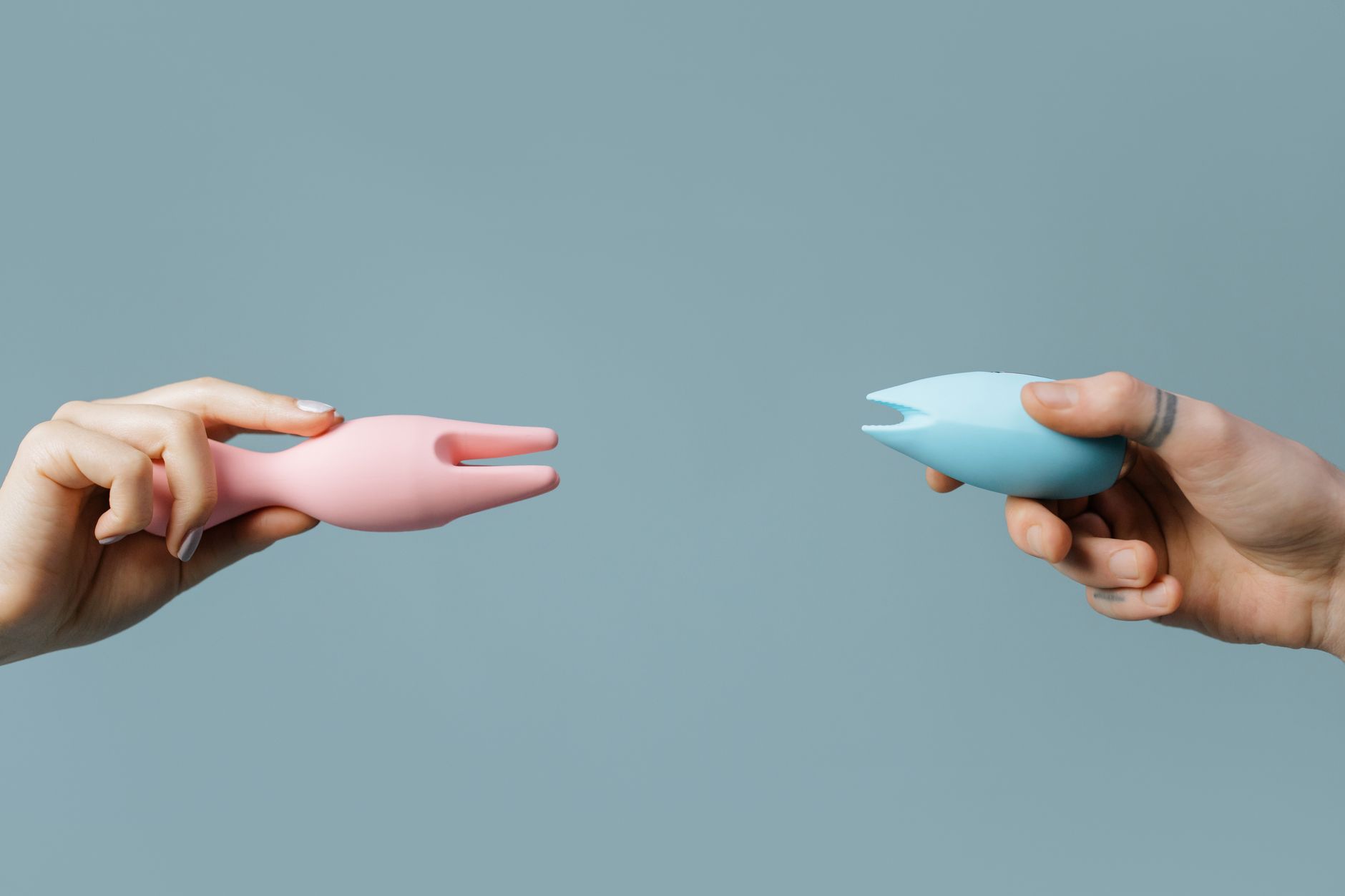
Photo by cottonbro studio on Pexels
When breastfeeding hormones suppress everything
Sometimes a lemon vibrator won't work. Sometimes your body just won't respond, no matter what you try. This often happens when prolactin is high and estrogen is low. It's not failure. It's biology.
If that's your reality, you have options. Talk to your OB about whether any hormonal support makes sense for you. (It's not common, but it exists.) Or sometimes the answer is: right now, I'm not going to push this. I'm going to focus on rest and self-compassion instead. That's not giving up. That's listening.
Rebuilding intimacy as a couple after birth
If you're in a partnership, solo pleasure with a lemon vibrator can actually be the bridge back to coupled intimacy. You remember what your body wants. Your partner can watch, or they can give you space. Either way, you're reclaiming a part of yourself that postpartum life tries to swallow whole.
Some couples find that one partner using a lemon clitoral vibrator during partnered sex actually increases the other partner's pleasure too. Less performance pressure. More sensation. More of everyone in their body instead of in their head.
The couples I work with who navigate postpartum sex well aren't the ones who rush back to normal. They're the ones who redesign normal together.
Self-compassion as part of the process
You grew a human. Your body is recovering. Your nervous system is recalibrating. Your hormones are in freefall. You're running on broken sleep and the weight of constant responsibility. And you're supposed to also want sex? That's not a personal failing. That's an ask that needs context.
Using a lemon vibrator postpartum isn't about performing desire. It's about checking in with yourself. It's about saying: "I'm still here. My body still knows what feels good. I didn't disappear into motherhood completely."
Sometimes that moment of connection is enough. Sometimes it leads somewhere. Both are fine.
FAQ: Breastfeeding, postpartum, and pleasure
Can I use a lemon vibrator if I'm actively breastfeeding?
Yes. Clitoral stimulation is totally separate from milk production. The only thing that might happen is letdown if you're aroused (oxytocin increases), which means you might leak a little milk. That's not a problem. It's biology. Wear a towel or nursing pad if it bothers you.
Will using a lemon clitoral vibrator affect my milk supply?
No. Sexual pleasure doesn't impact lactation. Stress and dehydration do, but arousal doesn't. Some people find that solo pleasure actually reduces stress, which could theoretically help supply. The correlation isn't direct, but it's not negative.
What if my partner wants to use a lemon vibrator during sex and I'm breastfeeding?
That's negotiable. You get to decide what feels comfortable. If you're protecting your chest because you're touched out, that's valid. If you're fine with it, that's also valid. There's no right answer. The right answer is whatever you actually want in that moment.
How long after birth is it safe to use a lemon vibrator?
If you had vaginal birth with no complications, external clitoral stimulation is generally safe after bleeding has mostly stopped (around two to three weeks). If you had tearing or an episiotomy, wait a bit longer. If you had a C-section, healing is internal but clitoral stimulation doesn't interfere. Listen to your body, not a timeline.
Will pleasure with a lemon vibrator help postpartum depression?
Pleasure isn't a cure for postpartum depression. But disconnection from your body and pleasure can be part of depression, and reconnecting can sometimes help. If you're struggling with depression or anxiety, please talk to your healthcare provider. A lemon vibrator is a tool, not treatment.
What if I don't feel like using a lemon vibrator postpartum?
Then don't. You don't have to. Pleasure isn't mandatory, especially when you're in survival mode. If you want to reclaim it later, the tools are here. If you're fine without, that's also completely fine. Your body. Your choice.
The path forward
Postpartum isn't a sprint back to normal. It's a slow rebuild of your relationship with your body, your pleasure, your partnership, and yourself. A lemon vibrator can be part of that process if you want it to be. But the real work is giving yourself permission to want anything at all when you're barely sleeping and constantly needed.
You didn't disappear. You're still here. Your pleasure matters. And when you're ready, the tools are waiting. If you have questions about rebuilding intimacy after birth or navigating postpartum changes, I'm always available to talk through next steps. Reach out anytime.